Anatomically accurate 3D models are finally here!
We are bringing currated collection of 3D models which are based on real medical data and verified by experts.
Explore now!




The femur, or thigh bone, is the longest and strongest bone in the human body, extending from the hip to the knee. It supports the weight of the body during standing, walking, and running, playing a critical role in movement and stability. The femur also connects with the pelvis at the hip joint…
Pelvis
The pelvis is a complex bony structure located at the base of the spine, formed by the hip bones, sacrum, and coccyx. It provides support for the upper body, facilitates load transfer to the lower limbs, and protects pelvic and lower abdominal organs.
Brain
This is an anatomical model of the human brain of a healthy 30-year-old male, reconstructed from T1-weighted MRI scans. The model preserves the detailed anatomical morphology of brain structures and is suitable for educational, research, and presentation purposes.
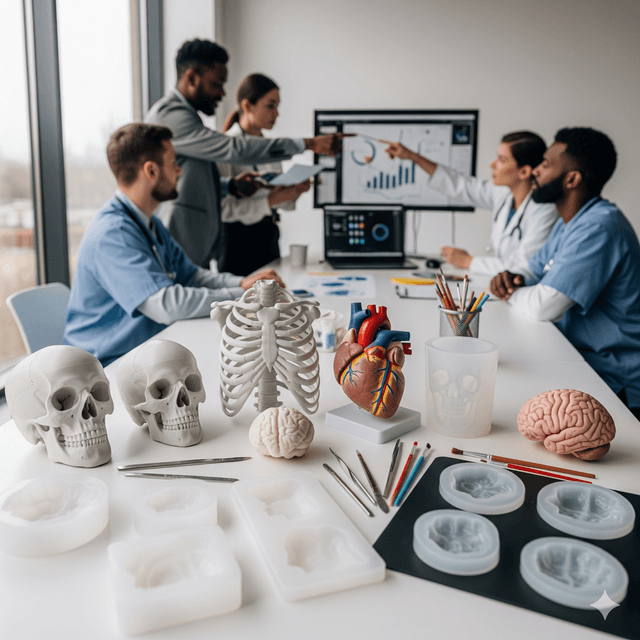
We are Looking for Partners!
We believe that the best ideas grow when they are shared, and we want to invite you to be a part of our journey. Where It All Began The PrintAnatomy portal was born out of the ACCEDE project, a dedicated initiative spanning 2021–2024. Our goal was to explore the possibilities of advanced…
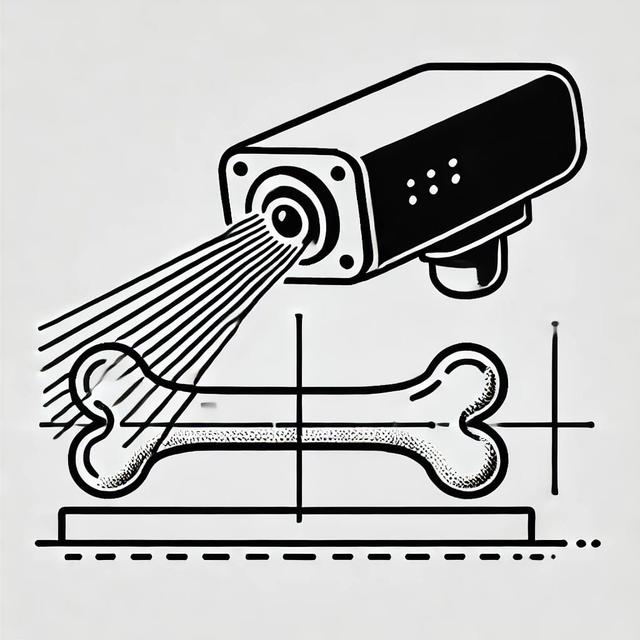
High-Resolution 3D Scanning: A New Approach to Anatomy Education
How can cutting-edge 3D scanning enhance the way we study human anatomy? As part of the PrintAnatomy initiative, we partnered with Photoneo (https://www.photoneo.com/), a Slovak leader in high-precision 3D scanning, to bring real anatomical structures into the digital and 3D-printed world. We…
Complete free vertebrae of the spine of an adult human (in addition to the spine, we add the sacrum and coccyx). A human being has seven cervical vertebrae, 12 thoracic vertebrae and five lumbar vertebrae. The different types of vertebrae differ in shape and size. A typical vertebra consists of a…
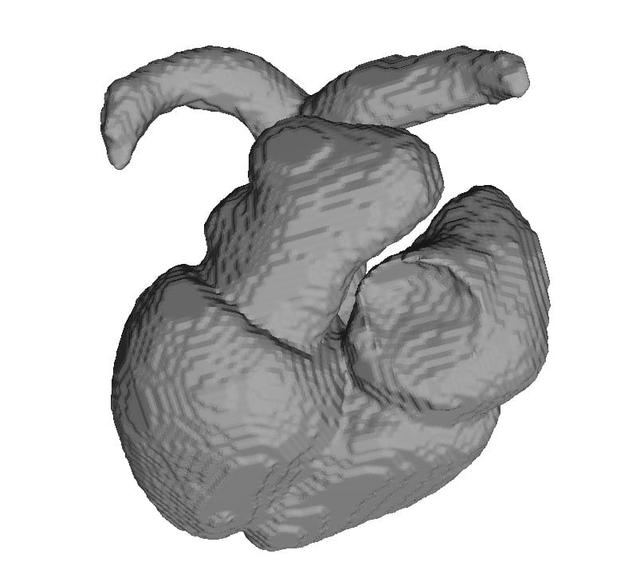
Artifical Intelligence - preliminary models
Will there come a day when artificial intelligence (AI) will change the way we study and understand biological structures like bones and tissues ? Can we, on the dawn of AI revolution, predict its potential in, for example, routine medical imaging data segmentation used for 3D printing ? AI is…